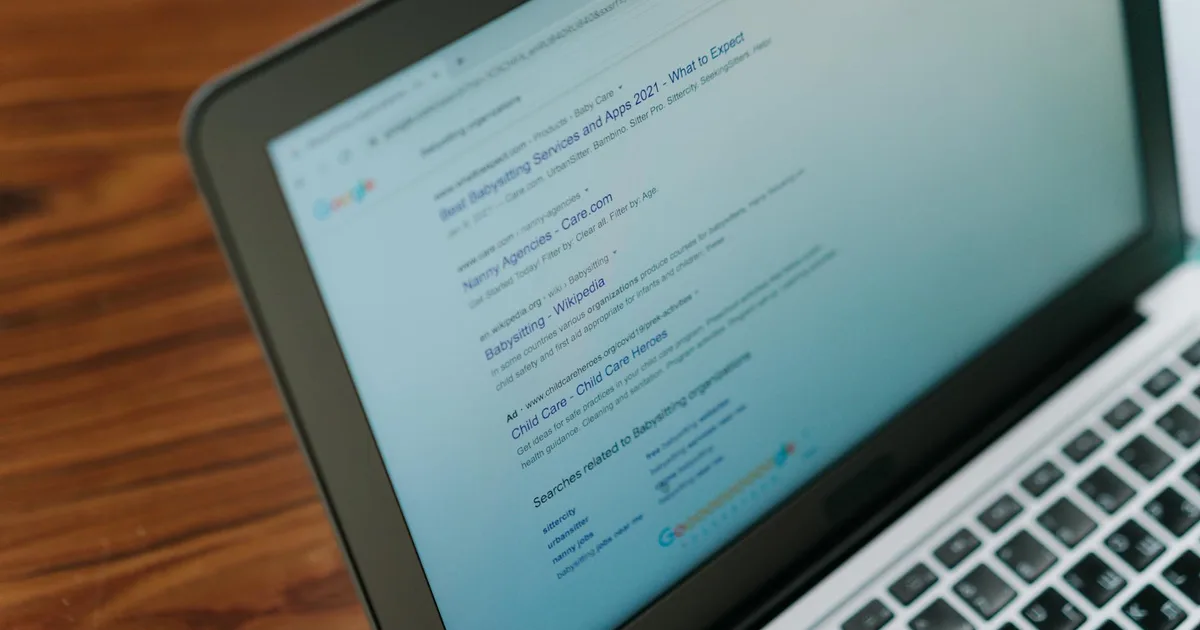
Zero-click search describes a search that ends without the user clicking through to any website. Google answers the query directly in the search results page through featured snippets, Knowledge Panels, AI Overviews, calculator tools, local packs, and other SERP features. The user gets their answer without ever visiting your site. For businesses that depend on organic traffic from informational queries, this is a real and growing concern. According to Semrush data from 2024, approximately 57% of Google searches across all device types now result in zero clicks.
Why Is Zero-Click Search Increasing?
Google's core commercial interest is keeping users within its ecosystem. An AI-generated answer, a featured snippet, or a local pack result that satisfies user intent without requiring a click keeps users in Google rather than sending them to a publisher's website. As Google's AI capabilities improve and its understanding of user intent deepens, the proportion of queries it can answer directly continues to rise.
The growth in zero-click has accelerated with AI Overviews (AI Mode), which synthesise answers for a broad range of informational and how-to queries. Where a featured snippet once answered a single question, an AI Overview can now answer a multi-part query with synthesised information from multiple sources, reducing the need to click through to any single site.
Zero-click is not uniformly distributed across query types. Simple factual queries ("what is the capital of France," "how many millimetres in a centimetre") have always been effectively zero-click even before Google made it explicit. Navigational queries (searching for a specific brand) and transactional queries (purchasing intent) still drive high click-through rates because Google sends users to the destination they were looking for. The greatest zero-click impact falls on informational content publishers.
What Types of Queries Drive Zero-Click Searches?
The queries most likely to end without a click are:
- Simple factual questions: Definitions, conversions, historical facts, biographical information
- Local queries with map pack results: "Restaurant near me," "dentist in [town]" frequently end with a phone call or direction request directly from the map pack rather than a website visit
- Weather and sports score queries: Google serves these natively with no need for a click
- Featured snippet targets: Queries that trigger a featured snippet at the top of results see a meaningful reduction in clicks to the organic results below, even when the snippet itself links to a source
- AI Overview queries: Increasingly broad informational queries where Gemini can synthesise a complete answer
What Should You Do About Zero-Click Search?
The response to zero-click is not to stop optimising for Google. It is to optimise more intelligently and to diversify the outcomes you are seeking from search.
Target Queries With Commercial Intent
Zero-click is heavily concentrated in informational queries. Transactional queries ("buy X," "hire Y," "book Z") still send clicks because Google cannot complete a purchase or booking on the user's behalf. If your SEO strategy is weighted towards informational traffic with no clear commercial pathway, zero-click represents a genuine threat to that traffic. Rebalance your keyword targeting towards queries with clearer commercial intent.
Be the Source That Gets Cited
If an AI Overview, a featured snippet, or a People Also Ask answer is going to appear for a query you care about, you want your content to be the source cited in that result. Being cited in an AI Overview or featured snippet provides visibility and brand exposure even without a click. For queries where zero-click is inevitable, the objective shifts from winning the organic click to being the cited source of the answer.
Structure your content to be extractable: question-format headings, answer-first paragraphs, specific factual statements, and well-organised step-by-step content all make extraction more likely.
Capture Click Intent Through the Brand, Not Just the Answer
A featured snippet that attributes your brand name to a trusted, accurate answer builds brand recognition even without a click. Users who see your brand name consistently providing the right answer are more likely to navigate directly to your site or type your brand name into Google when they are ready to make a purchase or enquiry. Zero-click searches can build brand authority that converts later in the funnel.
Prioritise the Knowledge Panel and Entity Presence
The Knowledge Panel that appears for branded searches is effectively zero-click: the user gets your phone number, address, website, and hours without leaving Google. This is fine for established brands. Build your entity presence so that when someone searches your brand name, the Knowledge Panel provides everything they need to make contact or visit, reducing friction at the point of highest intent.
Develop Traffic Sources Beyond Google Organic
Zero-click highlights the risk of over-dependence on Google organic traffic. Diversify your traffic mix:
- Email marketing: Email subscribers are a captive audience that Google cannot intercept. A subscriber list delivers consistent traffic independent of algorithm changes or SERP evolution.
- Social media: Organic social and paid social deliver traffic directly to your site without going through Google's SERP.
- Direct and referral traffic: Strong brand building and PR coverage drive direct visits and referral traffic that zero-click does not affect.
- Paid search: While PPC traffic costs money, it is not affected by zero-click in the same way organic is. Paid ads appear before AI Overviews and alongside them.
Track Click-Through Rate, Not Just Rankings
Rankings without clicks are largely meaningless for revenue purposes. If you are ranking third for a keyword but the query triggers an AI Overview that captures most clicks before the organic results, your third-position ranking is generating a fraction of the traffic it would have generated two years ago.
Monitor organic click-through rates by page in Google Search Console. A declining CTR on a page with stable rankings is a signal that a SERP feature is intercepting your clicks. This data tells you which pages and queries are most affected by zero-click and where to focus adaptation effort.
Is Zero-Click Always Negative?
Not entirely. For local businesses, the map pack is a form of zero-click search where the user contacts the business directly from the search result without visiting the website. A phone call from a map pack result is a higher-value conversion than a website visit that never leads to contact. For these businesses, a zero-click outcome often delivers a better immediate conversion than a traditional click.
For informational publishers whose model depends on advertising revenue from page views, zero-click is genuinely harmful. For businesses where the website is a gateway to services and conversions happen offline, the impact is more nuanced.
Dynamically helps UK businesses build SEO strategies that account for how search results are actually evolving, including zero-click and AI search. Get in touch to discuss a search strategy that works in the current environment.